
I’ve Learned A Lot About Wind Chimes After Living in Windy Florida
Living in Florida means living with weather that never fully settles. Some mornings the air is perfectly still, warm, and soft as butter, while afternoons bring a sudden burst of wind that sweeps through the neighborhood as if reminding everyone that the sky still has a say. And then there are the evenings, those beautiful,…
Living in Florida means living with weather that never fully settles. Some mornings the air is perfectly still, warm, and soft as butter, while afternoons bring a sudden burst of wind that sweeps through the neighborhood as if reminding everyone that the sky still has a say.
And then there are the evenings, those beautiful, restless evenings when the breeze carries the faint sound of wind chimes from porches up and down our street.
That was the soundtrack of our first year here. Nearly every house in our neighborhood has at least one wind chime hanging somewhere outside, and I remember thinking how peaceful it sounded at dusk when the breeze picked up and all the chimes sang quietly together.
It didn’t take me long before I hung my first wind chime on the porch. Later, I added another one in the garden where the afternoon wind passes through the tall hedges.
And after years of enjoying their music, I’ve come to understand just how much thought goes into choosing the right one.
The First Wind Chime I Chose
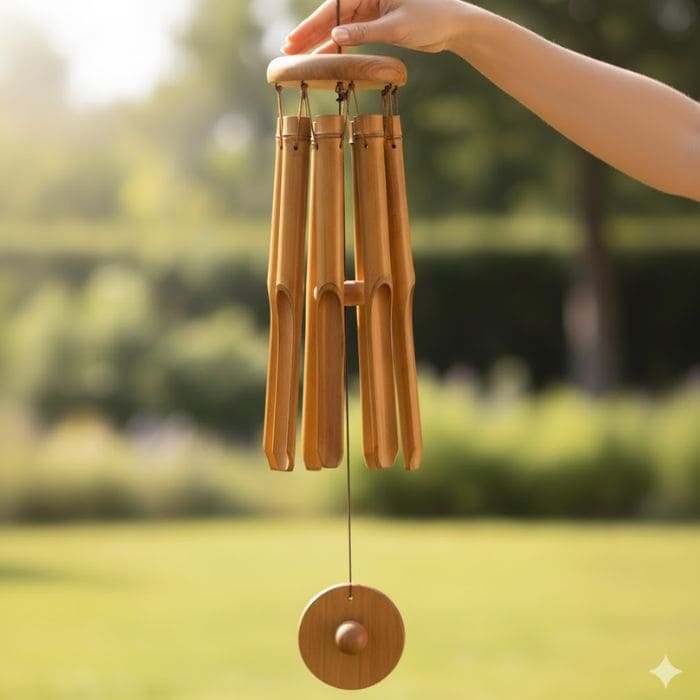
My very first wind chime in Florida was a beautiful bamboo one I bought simply because it looked charming.
The tubes were long and smooth, and the soft tapping sound made me believe I had chosen well. But I quickly learned that bamboo behaves differently in Florida’s humidity.
After a month of heavy rains and afternoon storms, the bamboo swelled slightly, the tone deepened in a way I didn’t expect, and the sound lost some of its clarity.
It wasn’t a failure, I still loved how it looked and felt, but it taught me that wind chimes are as much about material and weather compatibility as they are about appearance.
And that is when I began paying attention to the things beginners rarely think about: the size of the tubes, the durability of the materials, the pitch of the sound, the direction of the wind, and even how wind chimes can be used as meaningful gifts for neighbors.
What I’ve Learned About Size: Bigger Is Not Always Better
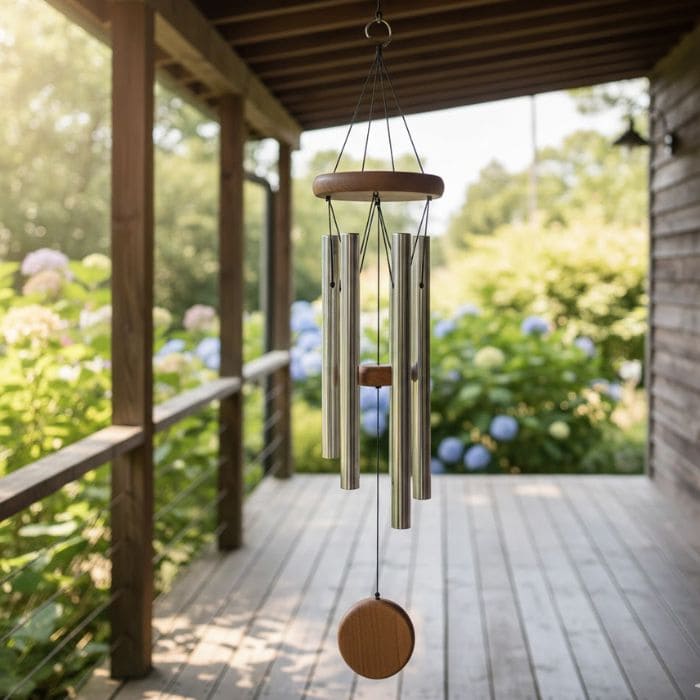
Wind chimes come in sizes that range from tiny, delicate pieces only six inches long to dramatic ones that stretch nearly five feet. Each size brings a different character to the sound.
My porch chime is a medium-sized metal chime, around 24 inches long from top ring to clapper. In Florida, this size feels ideal because the wind is strong enough to move it often but not so intense that it creates overwhelming noise. The sound is gentle, melodic, and noticeable only when the breeze becomes playful.
The chime in my garden, however, is much longer, about 36 inches. I chose that size because the garden is more open and the wind passes through differently. Longer tubes create deeper tones, something like soft church bells in the distance, which blends beautifully with the rustling leaves.
For anyone new to wind chimes, I always say to choose the size based on the space, not the desire for volume.
Smaller chimes suit patios and balconies. Medium chimes work beautifully for porches. Large chimes belong in open areas where their voices can expand without overwhelming the space.
Material Matters More Than I Ever Realized
Florida’s humidity, salty breezes in some areas, and sudden rainstorms all influence how long a wind chime lasts. Over the years, I’ve tried different materials and noticed their personalities:
Aluminum or metal chimes
These are my favorite in Florida because they hold their tone beautifully despite the weather. They do not warp, they tolerate moisture well, and their sound is clear, bright, and calming.
My porch chime, the one the girls say sounds like tiny bells talking to each other, is made of brushed aluminum.
Bamboo chimes
Warm, soft, earthy, and beautiful but sensitive to moisture. They can swell, crack, or deepen in tone over time.
If someone loves a natural wooden sound and lives in a less humid climate, they are wonderful, but Florida makes them more unpredictable.
Glass chimes
Visually stunning when the sunlight hits them, but fragile. I do not hang glass chimes outside because the sudden Florida storms can be unforgiving. I sometimes hang small glass chimes indoors, near a window, where the breeze is delicate.
Capiz shell chimes
Luminous, shimmery, and lovely when the light passes through them, but they are delicate and can chip. They are better suited for covered areas rather than open porches.
Iron or steel chimes
Deep, strong tones but prone to rust if not treated. Beautiful, but require more care in humid climates.
When I choose a wind chime now, I consider both the look and the climate. Florida gives us endless wind, but also endless moisture, and the right material makes a world of difference.
Understanding Sound: The Most Personal Part of Choosing a Wind Chime
My porch chime has a soft, mid-range tone, cheerful on breezier days and hardly noticeable when the wind sleeps. It has become the background sound of our evenings, something I can’t imagine living without.
The garden chime is deeper, more resonant, almost meditative. On quiet mornings, when the girls are still sleeping and I drink my tea near the porch, that deeper chime feels like nature exhaling.
So for beginners, listen to the pitch before buying. Close your eyes if you need to. If the sound calms you instantly, that is your chime. If it distracts you or feels sharp, keep searching.
Where to Hang a Wind Chime So It Sings Instead of Shouts
Here is what works for me in Florida:
- Porch: a medium-sized chime hung near the corner where the breeze passes but not too close to the wall.
- Garden: a larger chime placed in open air, away from trees that might tangle it.
- Front entry area: a small chime where the wind is softer, perfect for greeting visitors without startling them.
- Indoor near window: only extremely light chimes, since indoor breezes are gentler.
One tip I always share is to hang the chime high enough to avoid bumping, but low enough for easy maintenance.
Wind chimes need occasional cleaning because Florida’s salty air and humidity can leave a film on the metal.
Wind Chimes Make Beautiful Gifts, Especially for Neighbors
One of the sweetest ways to break the ice with new neighbors is with a small wind chime.
It shows thoughtfulness without crossing boundaries, and it carries a wish for peace, comfort, and good days ahead. When I choose a wind-chime gift, I always consider these three things:
- Choose a soft-sounding chime, not a loud one, you want to offer calm, not noise.
- Choose weather-friendly material, especially if your neighbors do not have a covered porch.
- Attach a handwritten note with a simple message: “May this bring a gentle song to your home.”
Last year, when a new family moved two houses down, I gifted them a small brushed-metal chime. For weeks afterward, every time I heard it ring softly in the afternoon wind, it reminded me that kindness has a way of traveling through the neighborhood just like sound.