What I Wish I Knew Before Moving to Florida
When we moved from North Carolina to Florida eight years ago, I believed I understood heat. I thought I was prepared for sunshine that lingered longer and summers that stretched further into the year. What I did not fully understand was humidity that quietly moves through your home and reshapes how everything behaves. Humidity in…
When we moved from North Carolina to Florida eight years ago, I believed I understood heat.
I thought I was prepared for sunshine that lingered longer and summers that stretched further into the year.
What I did not fully understand was humidity that quietly moves through your home and reshapes how everything behaves.
Humidity in Florida is not dramatic or loud. It seeps into wood, lingers in fabric, and hides in closets. And it teaches you to decorate differently whether you realize it or not.
If I could go back and speak to myself before our first Florida summer, these are the six things I would explain carefully.
1. Humidity Does Not Stay Outside
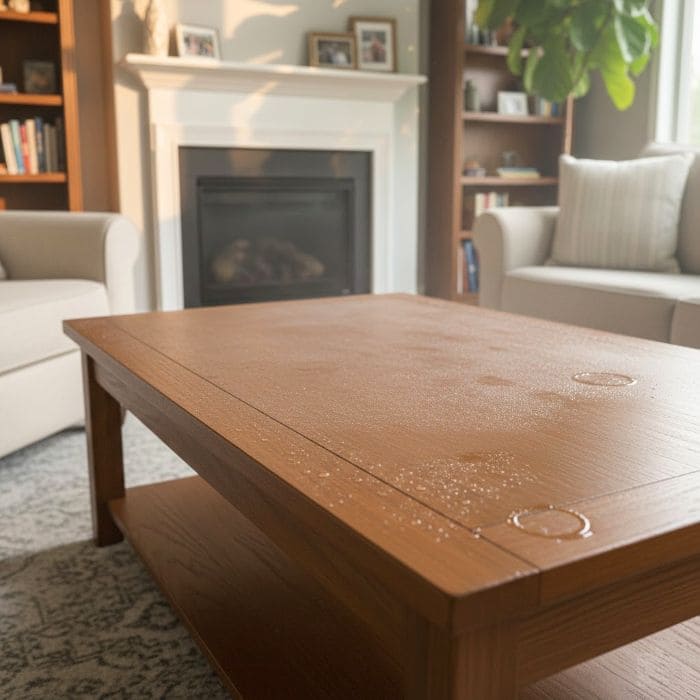
In our first June here, I remember stepping into the living room one afternoon and feeling something was off.
The windows were closed, the air conditioner was running, yet the room felt heavy. When I touched our wooden coffee table, it felt slightly cool and almost damp.
That was the moment I realized humidity lives inside your home just as much as outside. Air conditioning cools the air, but it does not always remove enough moisture during peak rainy weeks.
After that, we purchased a small digital hygrometer. Watching the indoor humidity climb to 65 percent on stormy days made everything make sense.
Ideally, indoor humidity should sit between 40 and 55 percent. Once it creeps above 60 percent regularly, materials begin to react.
2. Wood Will Expand, Even If You Think It Won’t
In North Carolina, we owned a solid wood dining table that never gave us trouble. Within months of living in Florida, I noticed one corner felt slightly uneven.
Humidity causes wood fibers to absorb moisture and expand. If the finish is not properly sealed, the effect shows faster.
I also learned that furniture placed directly against exterior walls suffers more because moisture collects in those areas.
Now I always leave a small gap between large furniture and the wall.
I check that wood surfaces are sealed properly, and I avoid placing delicate pieces directly under air vents where temperature shifts can stress materials. These small habits prevent larger problems.
Florida does not mean giving up wood decor, but it does mean respecting how it reacts.
3. Closets Become Hidden Humidity Traps
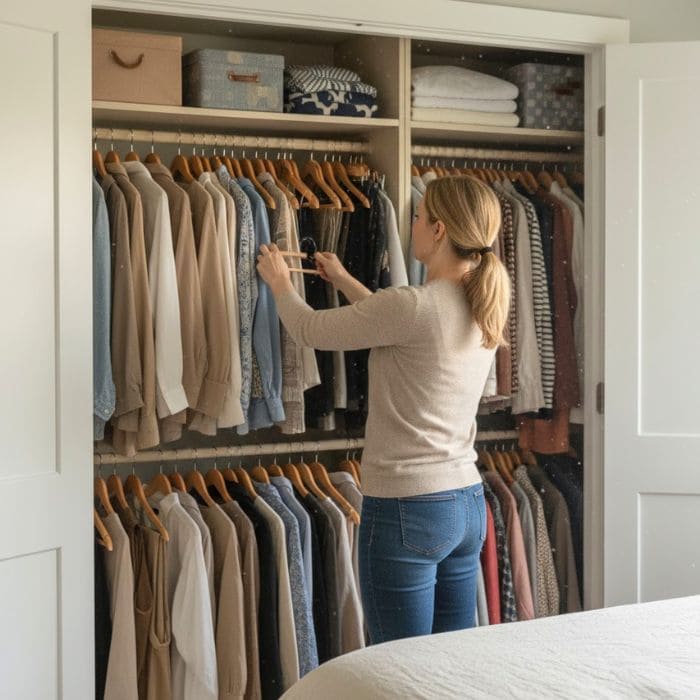
I was completely unprepared for what humidity would do to closets. During our first humid summer, I began noticing a faint musty scent in our bedroom closet.
A leather handbag felt slightly sticky. Shoes that had been fine for years developed a subtle mildew smell.
Closets trap air so they do not circulate well. That makes them small humidity chambers.
We solved this gradually. We stopped packing clothing too tightly. I began leaving space between hangers so air could move.
We placed moisture absorbers discreetly on upper shelves. Sometimes I leave the closet door open during the day to allow airflow. These small changes prevented long-term damage.
If I had known this from the beginning, I would have saved myself from unnecessary frustration.
4. Fabric Feels Different in Florida Air
Before moving here, I loved heavy layered fabrics. Velvet curtains, thick rugs, and decorative throws folded neatly on chairs. In Florida, those same materials felt suffocating.
Humidity makes fabric hold onto moisture. Velvet in particular traps heat. Thick rugs collect dampness underneath if floors are not perfectly dry. Heavy blackout curtains block airflow, making a room feel denser.
Gradually, I shifted toward breathable fabrics.
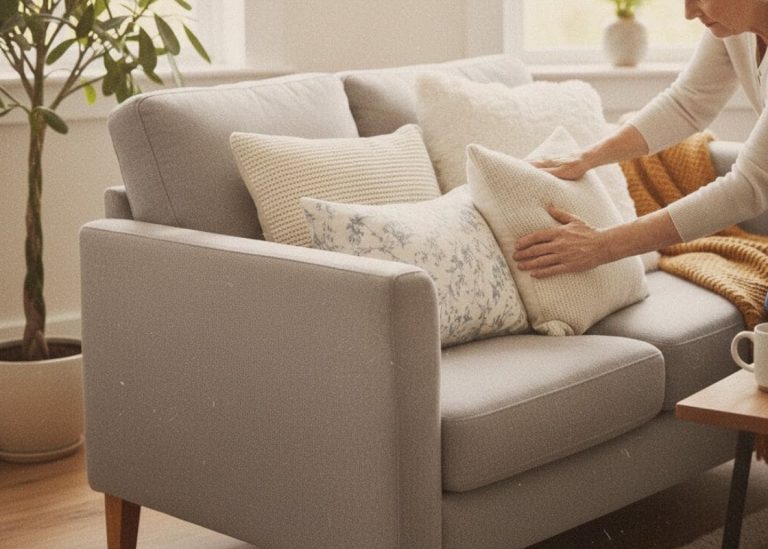
Linen blends, lightweight cotton, washable slipcovers, these feel cooler and allow air to move freely. Even decorative pillows now tend to be removable and washable.
The room does not look less styled. It feels lighter, and that makes all the difference during an August afternoon.
5. Airflow Matters More Than Perfect Styling
This was perhaps the most important lesson. In Florida, how air moves through your home matters more than achieving a perfectly symmetrical layout.
In our early years here, I arranged furniture based purely on appearance.
Later, I realized certain placements blocked air circulation from vents and windows. Corners felt stagnant, and the air felt heavy near the sofa by evening.
Now I think about movement when decorating. I avoid pushing large furniture tightly into corners. I ensure vents are not blocked by rugs.
Ceiling fans run regularly, not just for cooling, but for circulation. On mornings when humidity drops slightly, I open windows briefly to refresh the air.
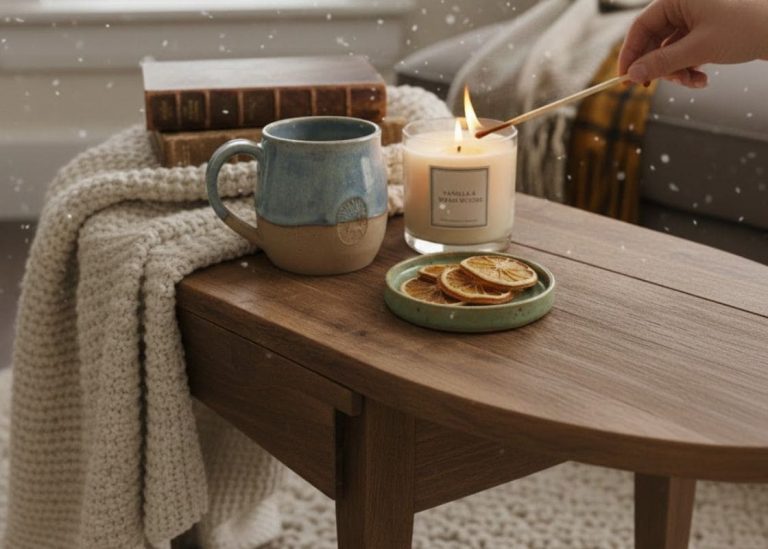
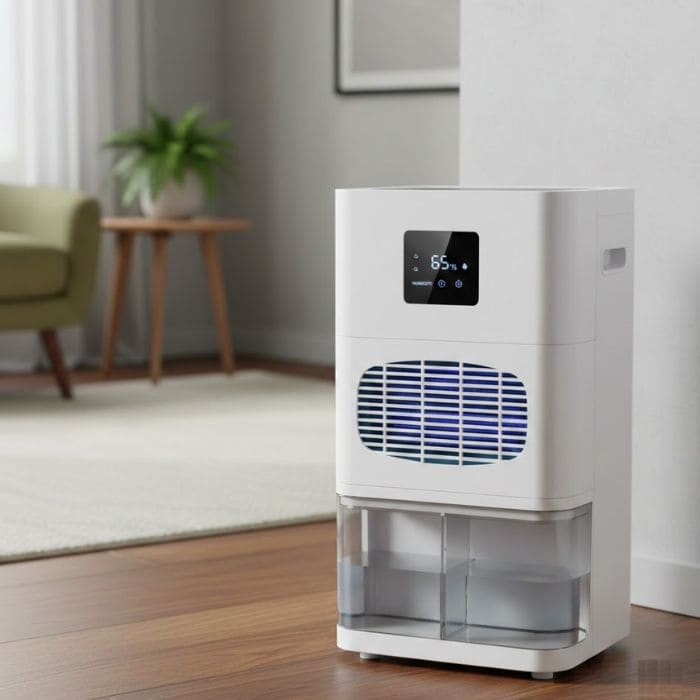
Eventually, we added a dehumidifier in the main living space. The difference was immediate. The air felt breathable instead of thick; wood felt stable; even scent from candles behaved differently.
6. Simplicity Works Better in Humid Climates
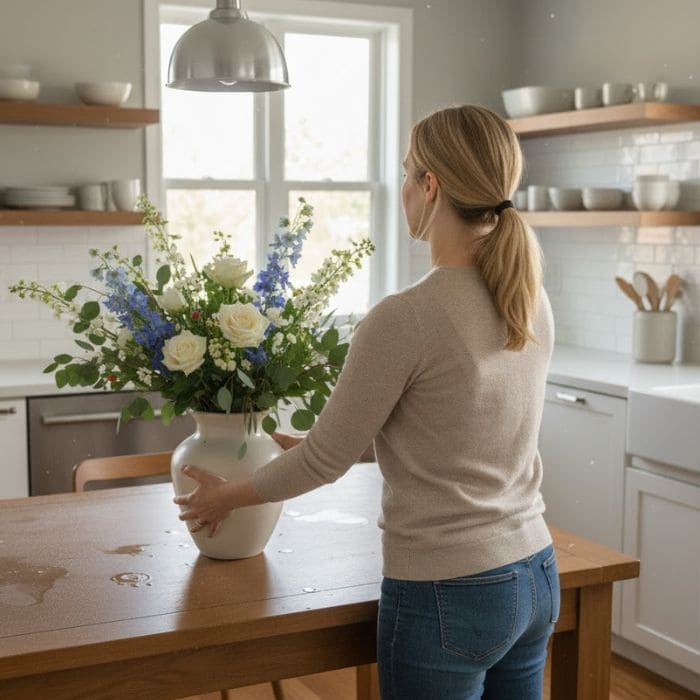
When there are too many small objects layered on shelves, moisture and dust collect faster. Surfaces feel cluttered sooner. Cleaning becomes harder.
I still decorate, but with intention. Ceramic, glass, sealed wood, and washable materials replaced delicate paper decor in high-moisture areas.
I leave negative space on shelves so air can circulate. Seasonal decor is stored carefully in airtight bins instead of cardboard boxes.
What I Know Now
Moving to Florida reshaped how I think about home. Humidity is not an obstacle, but it requires awareness. It asks you to pay attention to materials, airflow, and storage.
If you are moving here or already living here and wondering why something feels off in your home, begin with the air.
Your home can feel fresh, balanced, and beautiful in Florida. It simply needs room to breathe.