I Replaced Our Heavy Wall Frames with Tapestries
For years, our bedroom walls were lined with framed photographs and artwork. Some were from our early marriage. Some were prints we bought when we still lived in North Carolina. A few were oversized wooden frames with thick borders and glass fronts that made the room feel structured and complete. It was a humid afternoon…
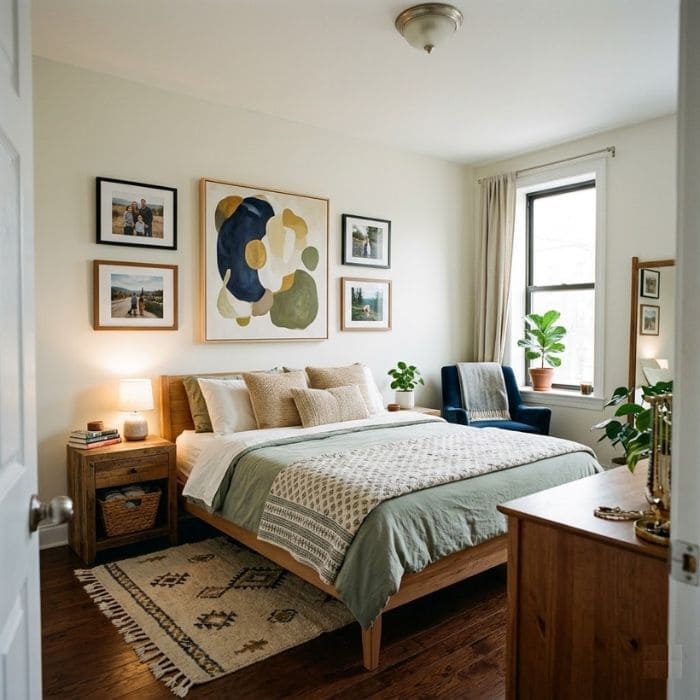
For years, our bedroom walls were lined with framed photographs and artwork. Some were from our early marriage. Some were prints we bought when we still lived in North Carolina.
A few were oversized wooden frames with thick borders and glass fronts that made the room feel structured and complete.
It was a humid afternoon when Daniel noticed something I had overlooked.
He stood near the wall, gently adjusting one of the frames that had begun tilting slightly to the left. “Do you think the wall is getting stressed from the weight?” he asked.
I looked closer. The drywall anchor had loosened just enough to shift the frame downward. Then I began rethinking everything.
The Conversation That Changed My Perspective
Three months before that afternoon, I had visited our neighbor, Mrs. Eleanor Harper, who lives two houses down in Lakewood Shores here in Florida.
She has lived in this neighborhood for over forty years, long enough to understand this climate better than most of us who arrived later.
Her home feels lived-in but calm, layered but breathable. What caught my attention immediately were her walls.
Instead of heavy framed artwork, she had tapestries with woven textiles in warm neutral tones, some with botanical patterns, others with subtle geometric designs.
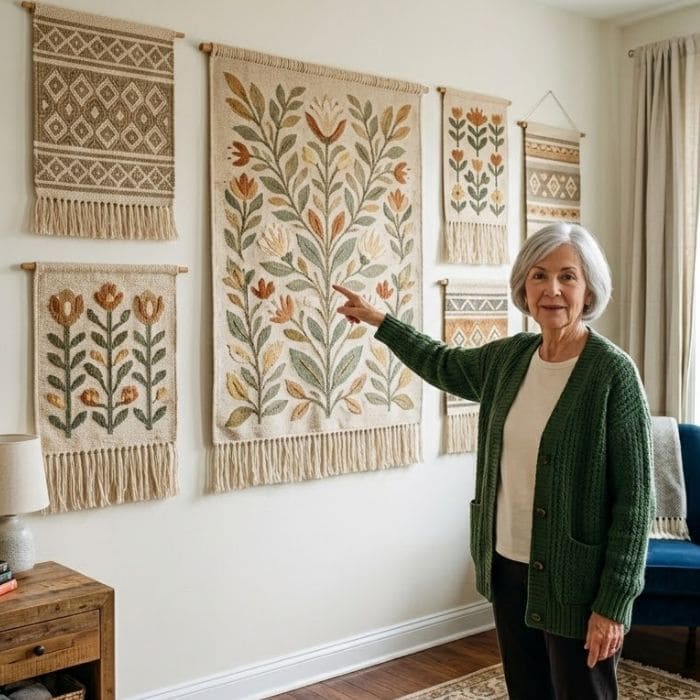
I asked her why she chose fabric instead of frames.
She smiled and said, “Honey, I learned decades ago that Florida walls don’t love weight. Humidity makes everything shift, so fabric moves with the house instead of fighting it.”
She explained how in the 1980s she had experienced warped frames and slight mold buildup behind glass artwork on exterior walls.
Since then, she transitioned to lighter materials that allow airflow and reduce pressure on drywall.
At the time, I admired her style but did not connect it to our home.
Now, standing in our bedroom with a slightly tilted 18-pound frame in my hands, her words came back to me clearly.
The Problem With Heavy Frames in Florida
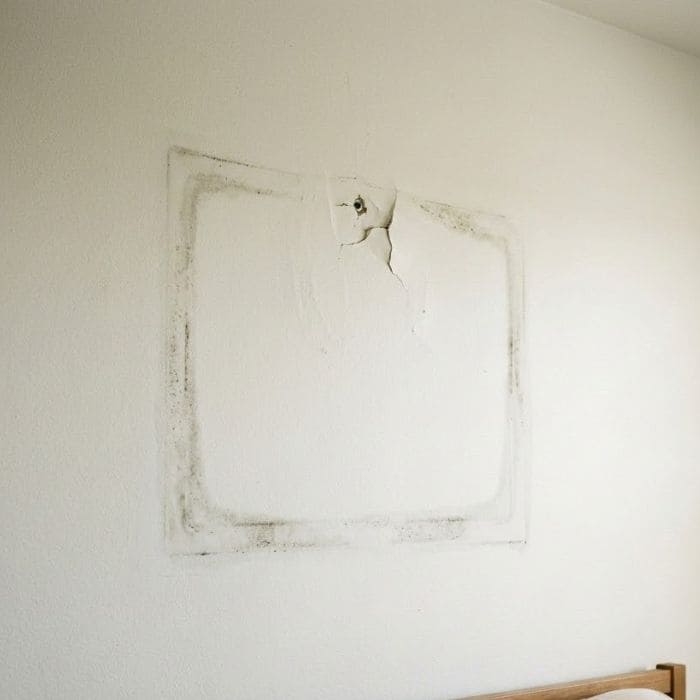
Our bedroom wall faces west, which means it absorbs afternoon warmth.
Combined with fluctuating indoor humidity, sometimes reaching 60 to 65 percent during rainy weeks, so materials expand and contract.
The heaviest frame above our bed weighed nearly 18 pounds, including thick wood and glass. Gradually, that weight pulls continuously against drywall that subtly softens during humid cycles.
I also noticed something else when we removed one of the frames: a faint outline of moisture trapped behind the glass. It was not visible daily, but it had been there quietly.
How I Chose the Tapestries
Instead of immediately shopping locally, I began researching online. I wanted something lightweight, breathable, and cohesive with our white-cream bedroom palette.
After comparing materials and reading reviews carefully, I ordered three woven cotton tapestries from an online artisan marketplace. I chose:
- One large central tapestry measuring 48 inches wide by 36 inches tall, featuring soft sand and ivory botanical patterns.
- Two narrower side panels, each 18 inches wide by 40 inches tall, with delicate stitched detailing and subtle fringe at the bottom.
I specifically chose 100 percent woven cotton instead of polyester blends because natural fibers breathe better in humid environments.
The combined weight of all three pieces was less than 6 pounds, lighter than a single frame we previously had.
When they arrived, the texture surprised me. They felt substantial but not heavy. And the weave allowed light to pass through gently instead of reflecting sharply like glass.
Installing Them Thoughtfully
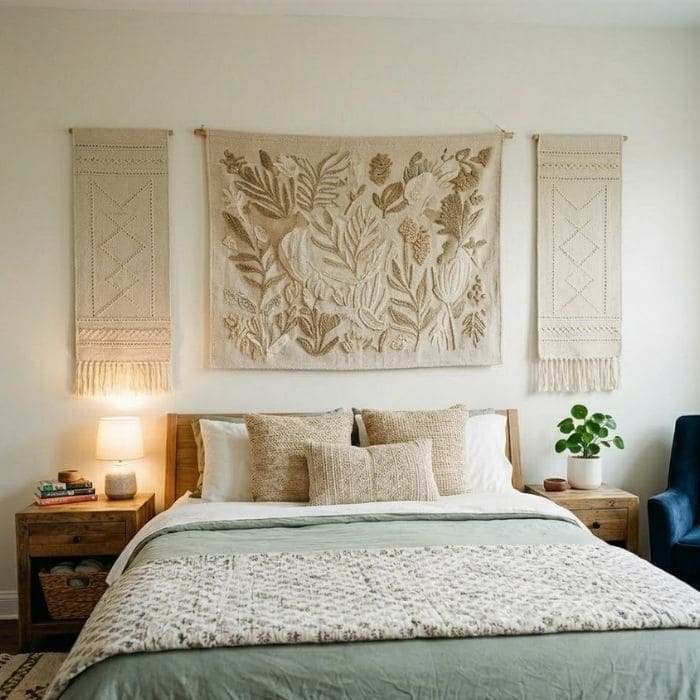
Daniel helped me measure the wall again. The space above our bed spans approximately 7 feet horizontally, and I wanted balance without density.
Instead of using large anchors, we installed slim wall hooks secured into studs wherever possible
For the center tapestry, we inserted a lightweight wooden dowel through the top sleeve and hung it evenly so it floated about half an inch away from the wall.
That small gap allows airflow behind the fabric, preventing moisture buildup.
The two side panels were positioned slightly lower, creating a soft layered effect rather than a rigid symmetrical line.
The Immediate Change in Atmosphere
The room felt lighter. The heavy reflective glare from the glass was gone.
Afternoon sunlight filtered softly across the woven patterns instead of bouncing sharply back into the room.
Moreover, the ceiling fan’s gentle movement caused the lower fringe to sway ever so slightly, introducing motion into a space that once felt static.
Why Tapestries Work Better in Florida
Florida homes experience constant humidity fluctuations, especially during storm season. Lightweight textiles adapt.
Unlike framed artwork, tapestries allow airflow behind them, place minimal stress on drywall, and diffuse light instead of reflecting it.
I relocated heavier pieces to interior walls less affected by exterior moisture. But in the bedroom, softness now makes more sense than structure.
Read more: What I Wish I Knew Before Moving to Florida